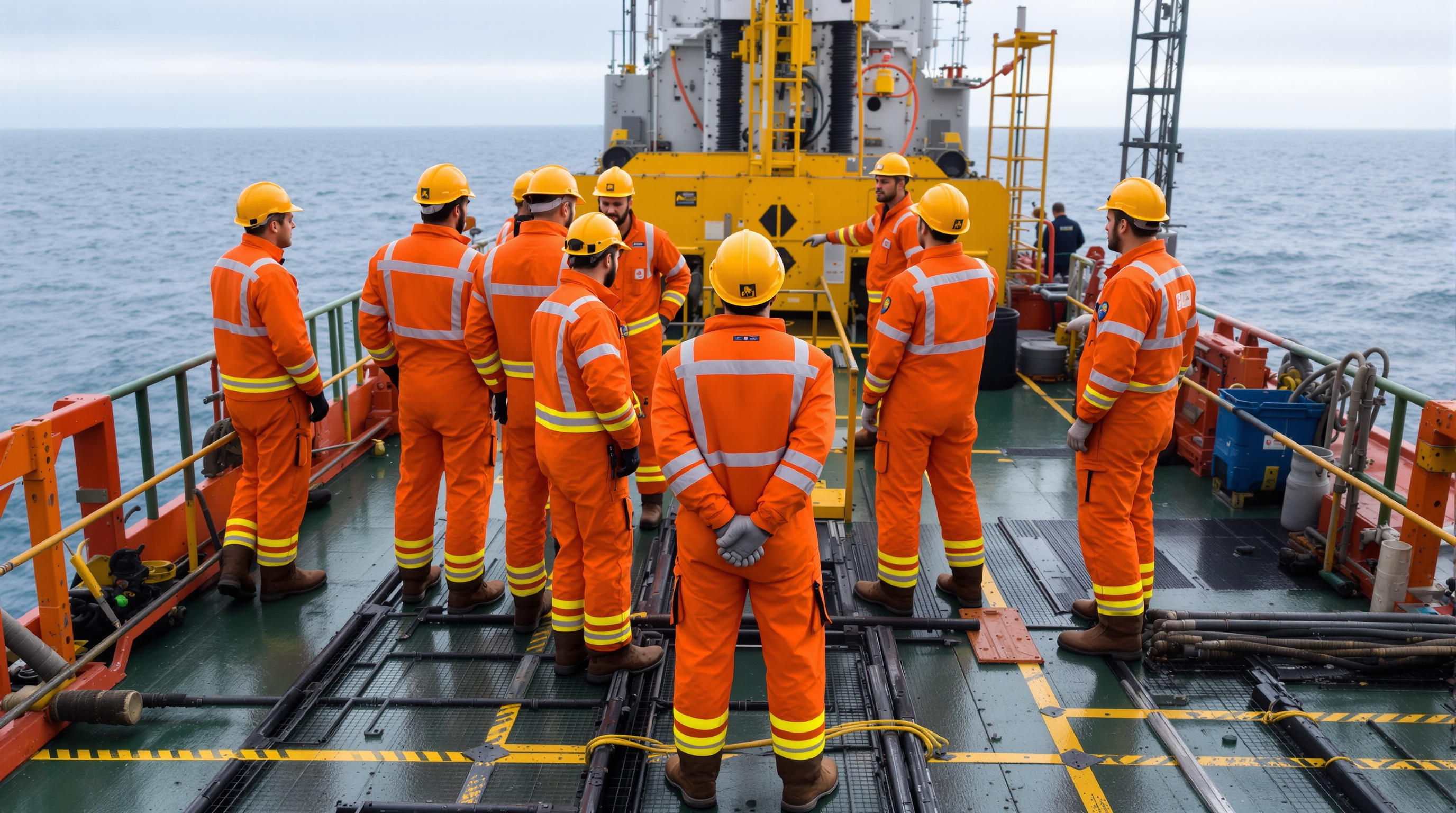
Chemical tanker operators bear significant environmental responsibility. The cargoes carried by chemical parcel tankers range from benign edible oils to hazardous industrial chemicals — any release of which into the marine environment could cause serious and lasting harm. The industry has developed one of the most comprehensive environmental safety frameworks in global shipping.
MARPOL Annex II: Preventing Noxious Liquid Substance Pollution
The International Convention for the Prevention of Pollution from Ships (MARPOL) Annex II specifically addresses the discharge of Noxious Liquid Substances (NLS) — the category that covers most chemical tanker cargoes. Under Annex II:
- Overboard discharge of Category X, Y, and Z noxious liquid substances is strictly controlled
- Tank washing procedures must follow documented protocols that minimize cargo residue discharge
- Cargo Record Books must record all cargo operations, tank cleaning events, and slop disposal
- Pre-washing requirements apply to the most hazardous cargo categories before discharge at port
Port state control authorities in major ports routinely inspect chemical tankers for MARPOL Annex II compliance, and deficiencies can result in vessel detention.
Double-Hull Requirements
The shift to double-hull construction in the 1990s and 2000s significantly reduced the risk of cargo loss in the event of grounding or collision. In a double-hull vessel, the cargo tanks are separated from the ship's outer shell by a void space — typically 2 meters or more in width — providing a protective buffer that absorbs the impact of a minor grounding without breaching cargo containment.
The International Maritime Organization mandated the phase-out of single-hull tankers through MARPOL Regulation 13G and later Regulation 13H, driven by high-profile spill incidents and the demonstrated environmental protection benefits of double-hull design.
The Ballast Water Management Convention
Adopted in 2004 and in force from September 2017, the IMO Ballast Water Management Convention addresses a different environmental risk: the transfer of invasive aquatic organisms carried between ecosystems in ballast water. Vessels must hold an approved ballast water management plan, a record book and an international certificate, and must meet the D-2 discharge standard through a type-approved treatment system rather than mid-ocean exchange. For chemical tankers the practical burden falls on segregated ballast tank arrangements and on the record-keeping that accompanies every ballasting and deballasting operation.
Vessel Response Plans (VRP)
For chemical tankers operating in U.S. waters, the Oil Pollution Act of 1990 requires Vessel Response Plans — documented emergency response procedures covering oil spill scenarios. VRPs must identify the resources available to respond to a worst-case discharge scenario, including contracted response services and personnel. The U.S. Coast Guard reviews and approves VRPs, and vessels without approved plans are barred from U.S. ports.
ISM Code: Systematic Safety Management
The ISM Code's requirement for systematic Safety Management Systems (SMS) has had the most far-reaching effect on day-to-day operations in the chemical tanker industry. By requiring shipping companies to document procedures, record incidents, conduct safety audits, and continuously improve their systems, the ISM Code pushed the entire industry toward more consistent, professionally managed operations.
According to the International Maritime Organization, the ISM Code has been credited with a significant improvement in the safety record of international shipping since its implementation in the mid-1990s.
Crew Training: STCW and Specialized Chemical Tanker Standards
Officers and crew serving on chemical tankers must hold specialized training certificates in addition to the standard Standards of Training, Certification and Watchkeeping (STCW) qualifications. Basic and advanced chemical tanker training courses cover cargo handling procedures, tank cleaning, personal protective equipment, emergency response to cargo releases, and the properties of the chemical cargoes typically carried.