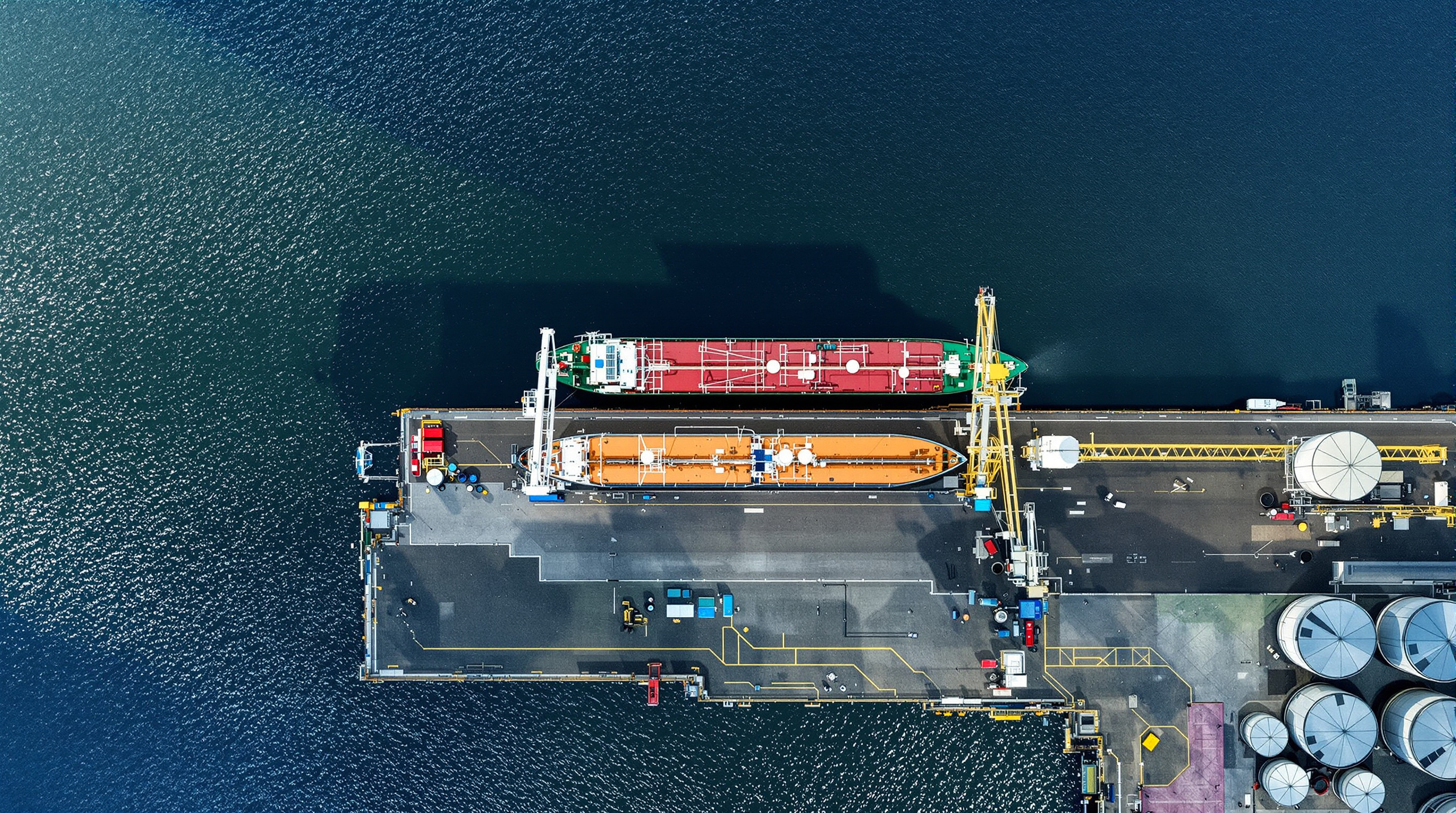
Operating a chemical parcel tanker fleet is one of the most operationally complex undertakings in the global shipping industry. The combination of multi-parcel cargo planning, diverse port calls, strict quality requirements, and the need for continuous regulatory compliance creates management demands that far exceed those of simpler tanker or dry bulk operations.
Cargo Planning and Parcel Management
The commercial heart of chemical tanker operations is cargo planning — matching available vessel capacity across multiple tanks with the needs of multiple customers shipping different liquid commodities between different port pairs. A typical parcel tanker voyage might involve:
- Loading 15 to 20 different cargo parcels at 3 to 5 load ports
- Discharging at 8 to 12 discharge ports across multiple countries
- Maintaining strict tank temperature requirements for different cargoes
- Managing cargo compatibility to prevent contamination between adjacent tanks
- Coordinating customs and port documentation for multiple cargoes and destinations simultaneously
Cargo planners use specialized scheduling software to optimize the assignment of cargoes to tank groups, accounting for compatibility requirements, quantity constraints, and voyage economics.
Tank Cleaning Between Cargoes
One of the most time-consuming and critical operational activities in chemical tanker shipping is tank cleaning between cargoes. Before a tank can receive a new cargo, it must be thoroughly cleaned to remove residues of the previous cargo and inspected by a cargo surveyor to confirm acceptability for the next cargo.
Tank cleaning procedures vary based on the cargo sequence — cleaning from a mild vegetable oil cargo to another vegetable oil may require only water washing, while cleaning from an industrial chemical cargo prior to loading edible oils requires multiple stages of chemical cleaning, hot water washing, and independent inspection.
Voyage Planning and Weather Routing
Every voyage is covered by a berth-to-berth passage plan prepared under the SOLAS Chapter V requirements, setting out courses, no-go areas, under-keel clearance margins and contingency anchorages. Many operators pair the plan with shore-based weather routing, receiving revised track advice as forecasts develop. On a parcel tanker the incentive is not only crew safety: heavy weather imposes hull stress, disturbs cargo temperature control and can slow a vessel enough to miss a laycan window at the next load port, which in turn disrupts an entire multi-port rotation.
Ship Management Companies
Many chemical tanker owners outsource the technical management of their vessels to specialist ship management companies. Ship management firms handle crew recruitment and training, vessel maintenance, dry-docking, class survey management, purchasing, and ISM Code compliance on behalf of vessel owners.
The growth of dedicated ship management as a sector has paralleled the increasing technical complexity of chemical tanker operations. Specialized expertise in managing stainless steel tank vessels, maintaining cargo system integrity, and keeping vessels in full compliance with evolving international regulations requires focused professional competence.
Deadweight Tonnage and Fleet Capacity
Fleet capacity in chemical tanker shipping is measured primarily in deadweight tonnes (DWT) — the total weight of cargo, fuel, fresh water, ballast, and crew that a vessel can carry when fully loaded. A large chemical parcel tanker of 25,000 DWT can carry approximately 25,000 metric tonnes of cargo, while smaller coastal tankers of 5,000 DWT serve regional port pairs.
Long-Term Contracts and Spot Markets
The chemical tanker market operates on a mix of long-term contracts of affreightment (COAs) and spot market voyages. Long-term contracts provide revenue stability for operators and supply chain certainty for cargo owners, particularly for large-volume industrial chemical flows like those between the Arabian Gulf and Asian manufacturing destinations.
The spot market accommodates changing trade patterns, seasonal cargo flows, and the needs of cargo owners who require occasional but not regular shipping. Clarksons Research tracks chemical tanker freight market conditions and is a leading source of industry rate data.