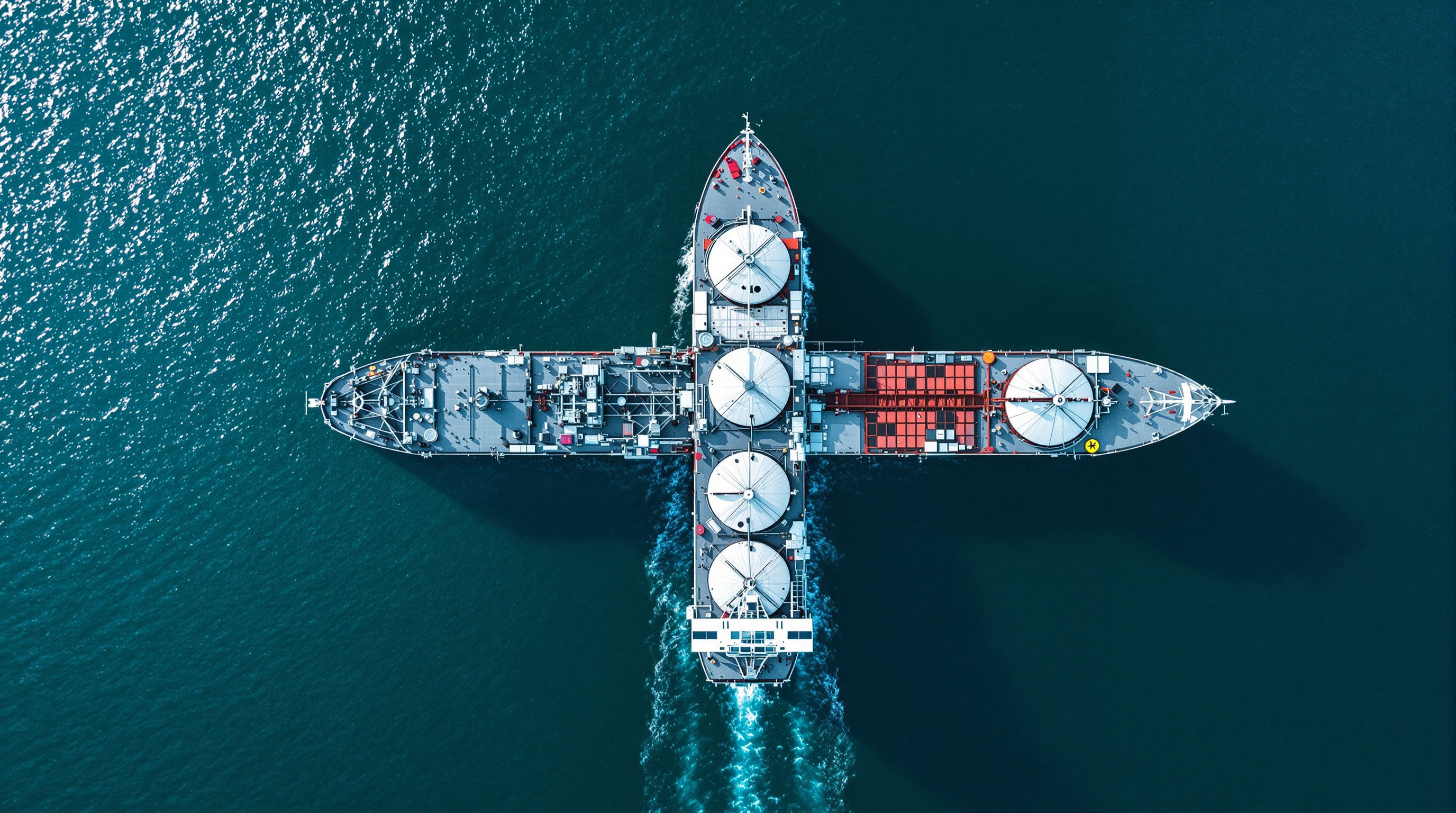
Chemical tankers are among the most specialized vessels in the global shipping fleet. Their design reflects the complex and often hazardous nature of the liquid bulk cargoes they carry, with strict international classification standards governing every aspect of construction, tank materials, and safety equipment.
IMO Classification: Type I, II, and III
The International Maritime Organization classifies chemical tankers into three types based on the hazard level of cargoes they are certified to carry:
- IMO Type I — Designed for the most hazardous liquid chemicals, requiring the highest level of cargo containment. Very few vessels are built to this specification.
- IMO Type II — Designed for significantly hazardous chemicals that require substantial preventive measures. The most common classification in the deep-sea parcel tanker trade, covering a wide range of chemical and vegetable oil cargoes.
- IMO Type III — Designed for chemicals whose hazard is sufficiently low that standard construction features provide adequate protection. Many bulk liquid cargoes including some vegetable oils fall into this category.
According to the IMO International Bulk Chemical (IBC) Code, vessel type assignment is based on the most hazardous cargo the vessel is permitted to carry, not necessarily what it routinely transports.
Parcel Tankers
The most distinctive vessel type in chemical tanker shipping is the parcel tanker — designed to carry multiple different liquid cargoes simultaneously in separate, segregated tanks. Unlike product tankers that typically carry a single commodity, parcel tankers may carry 13 to 31 separate cargo parcels simultaneously, each in its own dedicated tank.
This multi-parcel capability is essential to the economics of chemical tanker shipping. It allows operators to consolidate multiple smaller shipments into a single vessel voyage, making the transport of specialized liquid chemicals economically viable even when individual cargo volumes are modest.
Tank Materials: Stainless Steel vs. Coated Carbon Steel
Tank material is a critical differentiator in chemical tanker specification:
- Stainless steel tanks — The premium option, capable of carrying a wide range of chemical cargoes including corrosive acids and reactive organic chemicals. Stainless steel tanks are easier to clean between cargoes and maintain cargo purity. High-specification vessels use double-skin full stainless steel tanks.
- Coated carbon steel tanks — Less expensive to build, but require careful cargo selection to avoid coating damage. Zinc silicate coating is common, suitable for a range of non-corrosive liquid chemicals and most vegetable oil cargoes.
Heating Coils and Cargo Temperature Control
Palm stearin, tallow, waxes and certain chemical intermediates will not pump at ambient sea temperature — they solidify or turn unworkably viscous. Cargo tanks are therefore fitted with stainless or carbon steel heating coils supplied with saturated steam from the vessel's boiler, and some designs instead circulate cargo through a deck-mounted heat exchanger. Carriage and discharge temperatures are stipulated by the shipper and logged throughout the voyage: overheating degrades quality in edible oil and fat cargoes, while insufficient heat leaves clingage that complicates discharge and subsequent tank cleaning.
Vessel Size Categories
- Small: 3,000–8,000 DWT — Primarily used for Asian short-sea trades, able to access smaller regional ports
- Medium: 10,000–20,000 DWT — The workhorses of the global chemical tanker fleet, serving deep-sea routes with flexibility
- Large: 20,000–40,000 DWT — Used primarily on high-volume trade lanes where cargo economics justify larger vessels
Double-Hull Construction
Following international environmental regulations and particularly the requirements of the U.S. Oil Pollution Act of 1990 (OPA-90), virtually all modern chemical tankers feature double-hull construction. The double hull provides a protective void space between the cargo tanks and the ship's outer shell, substantially reducing the risk of cargo spill in the event of a grounding or collision.